

Investing requires knowledge, discipline, and patience. Many people believe that the more they learn, the better their results will be. While knowledge is important, it can also create risk when it leads to overconfidence. Overconfidence bias occurs when investors overestimate their ability to predict market movements or make correct decisions. This mindset can lead to costly mistakes. Understanding how this bias works is essential for maintaining a balanced and realistic approach to investing.
What Is Overconfidence Bias

Overconfidence bias is a psychological tendency. It causes individuals to believe they are more skilled or informed than they actually are. In investing, this often happens when someone assumes they can consistently outperform the market. This bias can develop after a few successful trades. Early gains may create the impression that success is based on skill rather than timing or luck. As confidence grows, caution often decreases. Investors may begin to rely too heavily on their own judgment. They may ignore data or advice that contradicts their views. This creates a gap between perception and reality, which increases risk.
How Knowledge Can Turn Into Risk
Knowledge is valuable, but it can lead to false certainty. When investors feel well-informed, they may believe they have an advantage over others. This belief can reduce their willingness to question decisions. Markets are complex and influenced by many factors. No single person can fully predict outcomes. When knowledge leads to rigid thinking, it becomes a limitation rather than a strength. Overconfidence can also lead to excessive trading. Investors may act more frequently, believing they can time the market. This increases transaction costs and exposes them to more risk. The problem is not knowledge itself. It is how that knowledge is used. A balanced approach helps ensure that information supports decisions rather than controls them.
Common Signs of Overconfidence in Investing

Overconfidence often appears in subtle ways. One common sign is ignoring risk. Investors may focus only on potential gains while overlooking possible losses. Another sign is concentration. Putting too much money into a single asset or sector can reflect excessive confidence. Diversification is often reduced in these cases. Frequent trading is also a signal. Investors may believe they can identify opportunities quickly and consistently. This behavior can lead to poor results over time. There is also the tendency to dismiss mistakes. Instead of learning from losses, overconfident investors may blame external factors. This prevents growth and increases the chance of repeating errors.
The Impact on Financial Outcomes
Overconfidence can have a direct effect on returns. Studies have shown that investors who trade more frequently often achieve lower returns. This is partly due to higher costs and poor timing. It can also lead to larger losses. Taking on too much risk without proper evaluation increases the chance of significant setbacks. Emotional stress is another consequence. When expectations are high, losses can feel more severe. This can lead to impulsive decisions, which further affect performance. In the long term, overconfidence can slow progress. It creates a cycle where mistakes are repeated instead of being corrected. Breaking this cycle requires awareness and adjustment.
Strategies to Manage Overconfidence

Managing overconfidence begins with self-awareness. Recognizing that no one can predict the market with certainty is an important step. Setting clear rules can help. This includes defining limits for risk and sticking to them. Having a plan reduces the influence of emotions and assumptions. Seeking different perspectives is also useful. Listening to other viewpoints can challenge personal beliefs and improve decision-making. Tracking performance over time can provide insight. Reviewing both successes and failures helps identify patterns. This process can ensure that lessons are learned and applied. Maintaining a long-term focus is key. Short-term gains can be misleading. A steady approach helps balance confidence with caution.
Balance Confidence and Discipline
Confidence is not inherently negative. It allows investors to make decisions and take action. However, it must be balanced with discipline. Discipline involves following a strategy, even when emotions suggest otherwise. It requires patience and consistency. A balanced mindset acknowledges both strengths and limitations. It accepts that uncertainty is part of investing. This perspective helps reduce the influence of bias. By combining confidence with discipline, investors can make more informed choices. This approach supports better outcomes over time.
Overconfidence bias is a common challenge in investing. It can turn knowledge into risk when it leads to unrealistic expectations. Understanding this bias helps investors recognize its effects and take steps to manage it. A thoughtful approach, supported by discipline and awareness, can reduce the impact of overconfidence. It allows investors to use knowledge effectively without being controlled by it. In the end, successful investing is not about certainty. It is about making informed decisions while accepting the limits of what can be known.…

 The first step in tackling debt is understanding your cash flow. Track your income and expenses to identify areas where you can cut back. Direct any extra funds toward debt repayment rather than unnecessary spending. A well-planned budget ensures you can meet your essential needs while dedicating as much as possible to paying down balances. Sticking to this plan consistently is key to making real progress.




 Speaking of borrowing money, the last thing you want is a long and complicated application process. That’s where title loans come in – they offer a super easy and straightforward process that can save you time and stress. All you need to do is to bring your car title, identification, proof of income, and some basic information about your vehicle to the lender. Once you’ve gathered all the necessary documents, visit the lender’s office or apply online for added convenience.





 You first need to check whether a company has a valid license to operate as a

 Payday loans are frequently small and temporary loans are taken out to cover unforeseen costs or bridge the time between paychecks. These
 One of the worst things you can do for your credit rating is to miss a payment. Even if you’re just a few days late, it will show up on your credit report and lower your score. If you’re having trouble making ends meet, try setting up automatic payments, so you don’t have to worry about missing a due date. Paying your bills on time is one of the most important aspects of maintaining a good credit score. If you’re having trouble making ends meet, try setting up automatic payments, so you don’t have to worry about missing a due date.
 One of the worst things you can do for your credit rating is not to check your credit report. It’s essential to check your report regularly to catch any mistakes or fraudulent activity. You’re entitled to a free copy of your credit report from each of the three major credit bureaus once per year. If you’re guilty of the bad habits discussed above, change them immediately. Your credit rating is one of the most critical aspects of your financial life, and you must take steps to protect it.…
 One of the most effective ways to fix your credit is to hire a professional credit fixing service. These services will work with you to dispute any inaccurate negative items on your credit report.
 The last important thing you can do to improve your credit score is to pay your bills on time. This includes everything from your rent or mortgage payment to your credit card bill. Set up automatic payments if necessary to make sure that your bills are always paid on time.
 Don’t let your income jump up and down. If you’re in a situation where you recently switched jobs or another reason why your wage may be unstable, it can work against you when applying for loans with bad credit. A steady job history will show lenders that you are financially responsible and more likely to pay back the loan.
 Don’t be afraid to shop around for a lender that best fits you. Some lenders specialize in helping those with bad credit and may have more relaxed approval requirements. When looking for a lender, make sure to compare interest rates, fees, and loan terms.
 Even if you can get approved, your loan amount must match up with what you need and will be used for. If lenders find out that their money was spent on something other than what they were told when applying, it could hurt your chances of approval for bad credit loans in the future.





 If you are just beginning to use Google ads, it’s understandable that you don’t want to go all out since you still don’t know which will work and which ones won’t. Therefore, it is highly recommended that you run an initial test campaign.
 With
With 






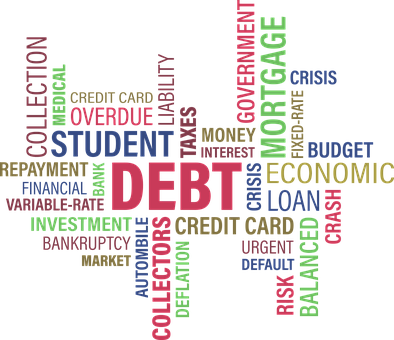
 bad. They only become bad when you are taking, for instance, a loan for the wrong reasons. Therefore once you are in any debts, you should check and see the debt which you will need to give priority. This aspect will enable you to be in contact with your creditors and also you will maintain a good financial credit history. A good credit history will see you acquire a loan because creditors can trust you.
 When you find yourself in debts, it is better if you get a good plan on how best you will be repaying the debts. Look for the best alternative to use in settling the debts. You can check your current financial status and see how much you are able to save or you can check on what you expect to receive in the near future. When you find yourself in serious debts, it will be advisable if you avoid spending money on unnecessary spending. This will help you save your money and be able to repay your debts with ease.
 materials have skyrocketed in prices, land for purchasing has also increased in value and paying for the building services is a loss a bit hectic. For this reason, to make your home ownership journey a bit simple, you should seek a loan from lenders of your choice. The loan you receive will see you buy or build your dream home and later pay the loan slowly until you complete the debt.
 As a student, you may not be in a position to raise enough funds to pay your school fees. Similarly, your parents or guardians may not be able too. Therefore in such case, you can opt to seek a loan from the lenders. In most cases, there are loans which are given by the government to their students. Thus loans are only repaid after the student completes the course and has started working. They are the best education loans you should consider in case you need one.